We transform ideas into digital products
Home

Services
Logo design
Custom website design
SEO site promotion

Who Are We?
Our Web Studio Effect is ready to help you create a website design from scratch. We know how to make unique products that stand out from hundreds of other existing sites. At the same time the team successfully combines the accuracy of our services and a creative approach to each case. When we create a website, we make it not only beautiful, but also easy to use for your visitors. Also ready to tastefully make any web source, create designs of any complexity for different social networks and much more.
News
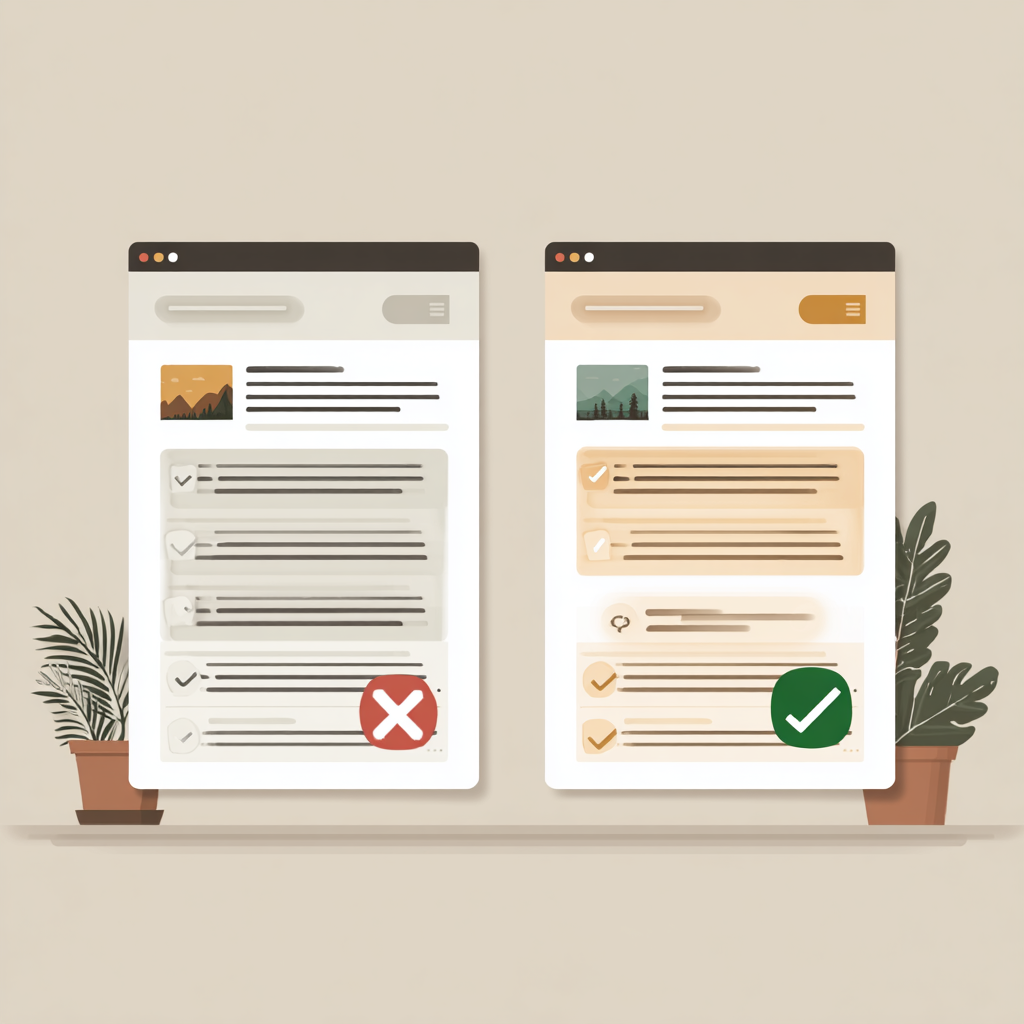
How to Tell When Your Business Needs a Custom Website, Not a Template?
For many businesses, a template-based website seems like the obvious starting point. It is faster, cheaper, and easy to launch. Templates can work well for simple projects, especially in the early stages, when a company only needs a basic online…
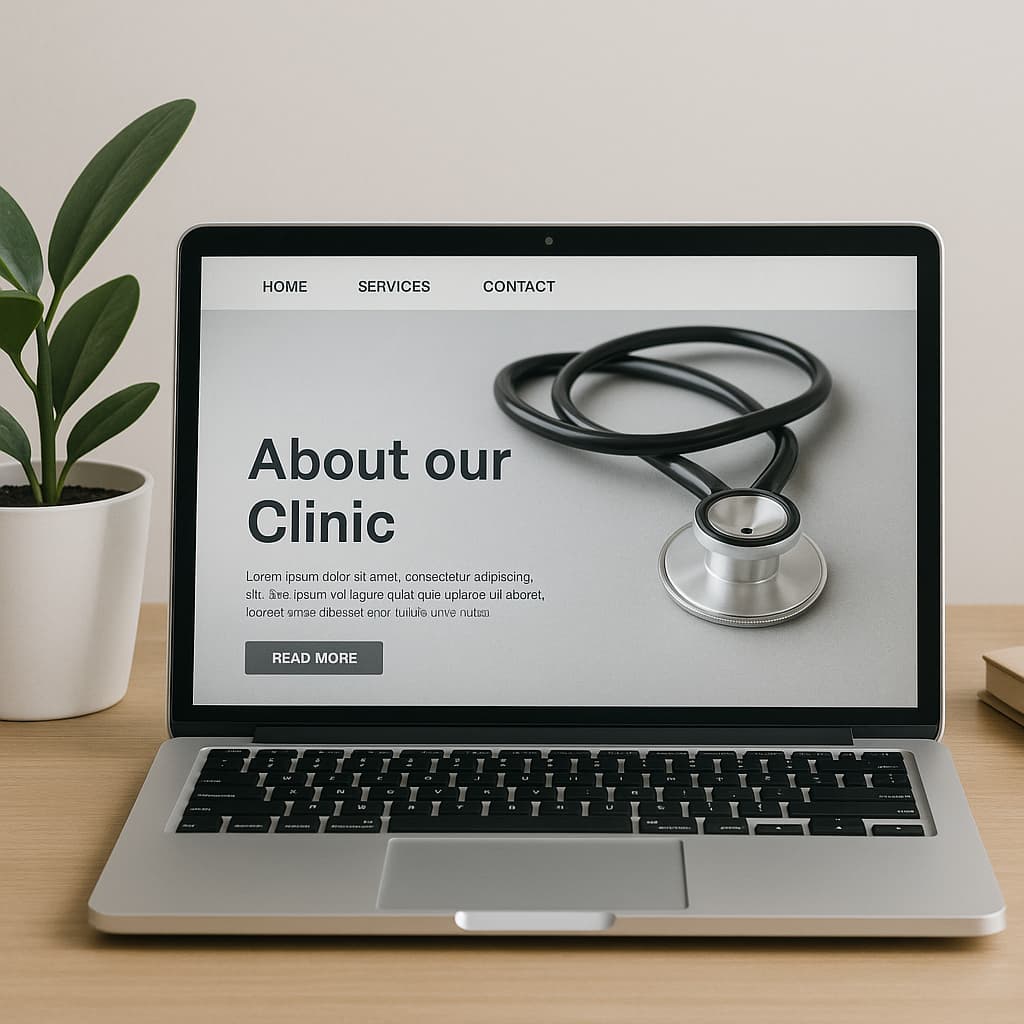
What a Small Medical Website Really Needs to Do
Most small clinics or medical services don’t need a big, flashy website. What they need is something that works. A space that tells people exactly what’s offered, how to get in touch, and what to expect. Simple structure, clear language,…
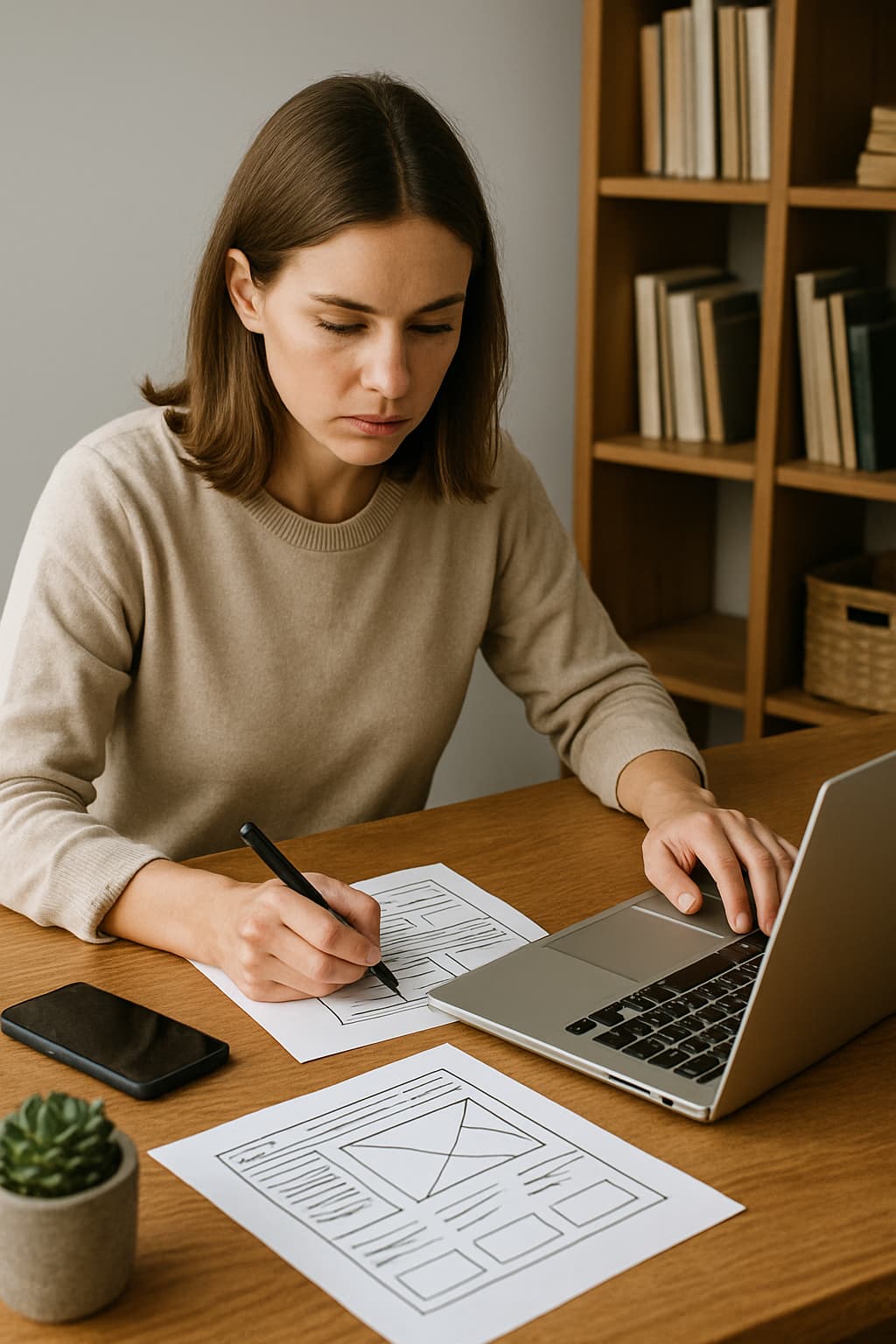
Why People Come to a Web Studio When They’re Tired Of Templates
A lot of people try to build their own site. They start with a template, pick something that looks decent, install the theme, and try to customize it. Two hours in, nothing looks right. The fonts are wrong. The layout…
From Starships to Stylesheets – How Star Wars Inspires Bold Web Design
Creating a standout website is more than just code and color palettes — it’s about building experiences that leave a lasting impression. And inspiration? It can come from anywhere, even from galaxies far, far away. In the same way Star…
SEO for Designers: How to Сreate a Website That’s Both Beautiful and High-Ranking
In today’s digital landsсape, having a visually stunning website is only half the battle. No matter how beautiful your design is, if your site doesn’t appear in searсh engine results, it will struggle to attraсt visitors. This is where SEO…
Do you want quality?
Developing the design of the site we make it unique, that would attract the client, to control his attention. Also the design simplifies the site orientation, emphasizes corporate identity.
Advantages of Web-design in our studio:
1/ Conducting an analysis of the target audience
Before starting all the work, our specialists analyze the target audience, so the future product would be the most convenient for customers.
2/ Working through the concept and prototypes
We always work through the concept of the future product and prepare prototypes. This allows you to get a better result in the end.
3/ We develop unique design
We develop a unique design that fully meets the needs and focuses on the target audience.
4/ Animation and 3D if necessary
If necessary, develop animation and 3D models for a unique website design
5/ Development of adaptive web-design
We always work through the concept of the future product and prepare prototypes. This allows you to get a better result in the end.
6/ Considering changes and suggestions.
When accepting the work we make all the wishes and adjustments to make the product best meet the requirements
Web design that works!
Good website design is the key to success. Most people in 2-4 seconds decide to stay on the site or leave, they rely on appearance. The site should be clear and help the user navigate it.
The main focus on the main
Any site has main elements. The user should easily find them and intuitively understand
Call to action
Introduce a modern website calls to action, this will get more potential customers
Convenient and clear site
Developing design should be guided by the target group of visitors and make the design as convenient for them
Important information on top
Each page of the site has its value and users should immediately see the main blocks, rather than scrolling to them
Organized site design
The structure of pages should follow the logic. And when navigating between pages, the user should not be rubbed
Nothing unnecessary
There is no need to overload the site unnecessary information that distracts the user’s attention and complicates the interaction with the site
Let’s discuss your project
It’s time to act! Email us and we’ll be happy to answer any questions you may have!
Web site design – the subtleties of working with a web studio
The creation of a site is always associated with the careful study of its design. It depends not just on the appearance of pages, but also on how many visitors will be an Internet resource. To solve this question, you will need to contact a company that specializes in web design and other site-building issues.
What you need to start development?
To conduct a proper development of the site you may often need the following information:
- The internal structure or layout of the site.
- Portrait of the visitor belonging to the main target audience.
- A slogan and all possible elements of a brandbook.
- The functionality to be embodied in the site.
Based on these data, our specialists build a project layout, which in the future will be presented to the customer.
You can trust the design of your site to us
- Our team includes professional designers – large Russian and foreign companies work with us.
- We practise individual approach to each client. Each task is unique and we try to solve it as effectively as possible.
- You can provide your own sketches which you would like to see on the pages of your web-resource. Our specialists will take them into account and make corrections and suggestions.
- If you wish you can choose one of the ready made templates of the company for realization of your site idea. This will save time and money.
- Attractive cost of services for clients.